Lead routing is where marketing intent becomes sales accountability. A fast acknowledgement does not help if the opportunity enters the wrong pipeline, reaches an unavailable rep, or sits unowned. Good routing makes ownership immediate, explainable, capacity-aware, and recoverable.
Normalize before you decide
Convert source data into controlled values before applying rules. Standardize country and region, service interest, account type, language, time zone, and consent. Validate email and phone formats without discarding the original input. When qualification data is missing, route to an intake queue instead of guessing. Routing built directly on free-text form answers becomes brittle as campaign wording changes.
Order rules by business constraint
Apply hard constraints first: regulated service eligibility, geography, language, customer ownership, or contractual territory. Apply commercial fit next, such as service line, account segment, or estimated value. Use availability and capacity after fit. Round robin is useful only inside a genuinely interchangeable group; it should not override expertise or existing relationships for the sake of equal counts.
Separate acknowledgement from human acceptance
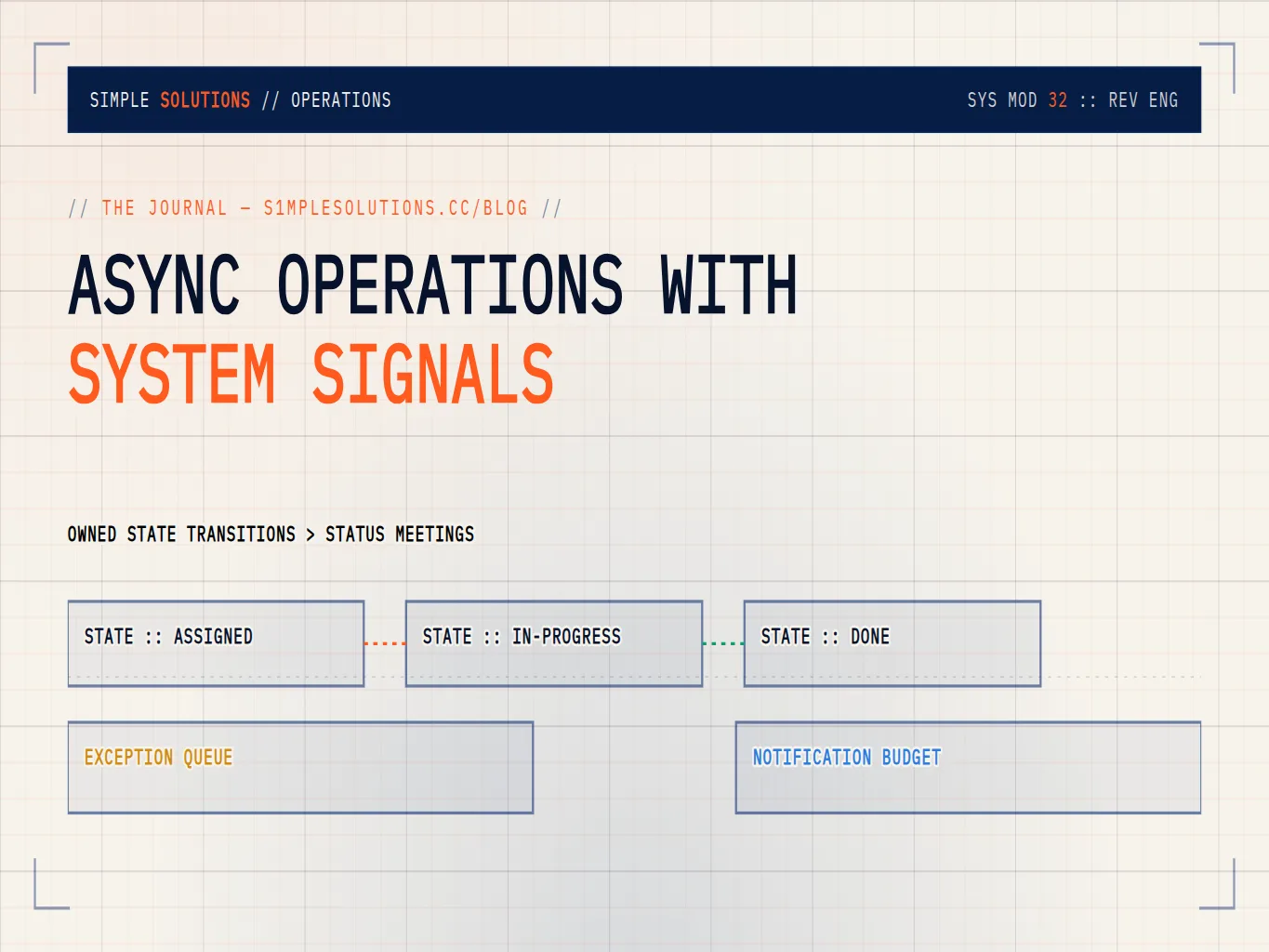
The system can immediately confirm receipt and set expectations while assignment completes. The assigned owner should then accept or begin work within a defined period. If they are away, over capacity, or do not act, reassign through a documented fallback. This avoids the common failure where the CRM technically has an owner but nobody has operationally accepted the lead.
Ownership is not a field value. It is a person accepting a time-bound obligation.
Protect existing contacts and active opportunities
Before assigning, search for matching contacts, accounts, and open opportunities. New campaign activity from an existing customer should usually return to the current relationship owner. Define what happens when contact and account ownership disagree. Record the routing reason so managers can distinguish deliberate reassignment from automation error.
Create a no-match and failure lane
Every decision tree needs an explicit fallback. Unrecognized regions, missing service information, integration failures, and records that match conflicting rules should enter a visible review queue with a response target. Never let a workflow end without either an owner or an exception state. Monitor the size and age of this lane; repeated exceptions reveal where the form, data model, or routing policy needs improvement.
Price the misrouted lead before designing the maze
Routing mistakes are not cosmetic; they quietly multiply into lost revenue. A business receiving 200 enquiries per month with a 10 percent misrouting rate sends 20 enquiries each month to the wrong owner, where the typical outcome is a delayed response at best and an abandoned opportunity at worst. At a $400 average deal value and a 30 percent contact-to-close rate among properly routed enquiries, that misrouting is worth roughly $2,400 of lost revenue every month, or nearly $29,000 a year, from a single data-quality and policy gap. The same arithmetic scales both directions: a regional business that routes by territory when it should route by service line, or routes by service when reps carry incompatible certifications, can lose more than the misroute count suggests, because the affected enquiries reach an owner who cannot act on them and never re-enters a qualified queue. Measuring this number once converts routing from an administrative detail into a visible revenue line, which changes how seriously teams treat the normalization and fallback rules above.
Choose the routing strategy that matches your operation
Four strategies cover most businesses, and the right one depends on how interchangeable the team is. Round-robin distributes evenly and is simple, but it only makes sense inside a genuinely interchangeable group; it misbehaves the moment expertise, territory, or capacity differs. Capacity-based routing sends each enquiry to the least-loaded eligible owner and protects workload balance, but it needs accurate capacity data and caps per owner to work. Attribute-based routing, matching service interest, geography, language, and account type to specialist owners, maximizes conversion when the team carries real differences, at the cost of more rule maintenance. Account-based routing, returning to the existing owner whenever a contact is already owned, protects relationships and prevents the customer-experience damage of rep re-introductions. Most mature operations layer these: account ownership first, attribute eligibility second, capacity last, and round-robin only as the tiebreaker within the remaining eligible set. The order of the layering is the design; changing the order changes outcomes more than changing the strategies themselves.
Design the escalation path as a first-class system
Routing that cannot escalate is routing that fails silently. Define what an unaccepted lead looks like: an owner who does not begin work within the service level, or a lead that reaches the owner during an absence. The response should be automatic and documented: reassign to the next eligible owner, then to the team queue, then to a manager review lane with an explicit response target, each step timestamped and visible. Escalation rules need the same testing discipline as the happy path, including absence detection, simultaneous claims, and reassignment loops, because a lead bouncing between owners without acceptance is worse than no assignment at all. Monitor unaccepted-lead age weekly; it is the single clearest signal that routing rules exceed the team's actual capacity and need rebalancing rather than another automation.
Measure fairness and business performance separately
Review assignment volume, acceptance time, response time, conversion, reassignment rate, exception rate, and capacity by team member. Uneven distribution can be correct when expertise or territory differs. Evaluate whether the rules produce the intended commercial result while preventing overload and neglect. Version routing changes and compare outcomes before expanding them.