Onboarding starts when a commercial commitment becomes an executable delivery state. Define the trigger, required customer inputs, internal owner, target launch condition, and evidence that each handoff is complete. A signed agreement alone may not mean the delivery team can begin. If access, brand assets, data, or approved scope is missing, the workflow should represent that blocker rather than create a silent task list that appears active.
Collect inputs in decision order
Ask for information in the order the team needs it to make decisions. Start with identity, scope, stakeholders, access, source data, and constraints; then request optional enrichment. Validate file types, permissions, and required fields at submission. Show the customer what is complete and what is blocking the next step. A form that gathers everything at once may be convenient to build but creates a large, opaque wait when one important item is misunderstood.
Create one handoff record
Keep a durable onboarding record containing scope version, owner, customer contacts, access status, decisions, open questions, approvals, and delivery milestones. Link tasks and conversations to this record rather than asking each team to reconstruct context from email. The record should distinguish customer-provided facts, internal assumptions, and accepted decisions. That distinction prevents an assumption made during sales from becoming an undocumented implementation requirement.
Use gates for readiness, not bureaucracy
A readiness gate should verify a condition that protects the next team: access works, data mapping is approved, tracking is tested, or the customer knows what will happen at launch. Give each gate an owner, evidence type, and exception route. Do not create gates for information that no one uses. When a gate fails, record the reason and next action instead of simply moving the work backward to an earlier column.
Make ownership visible during waiting
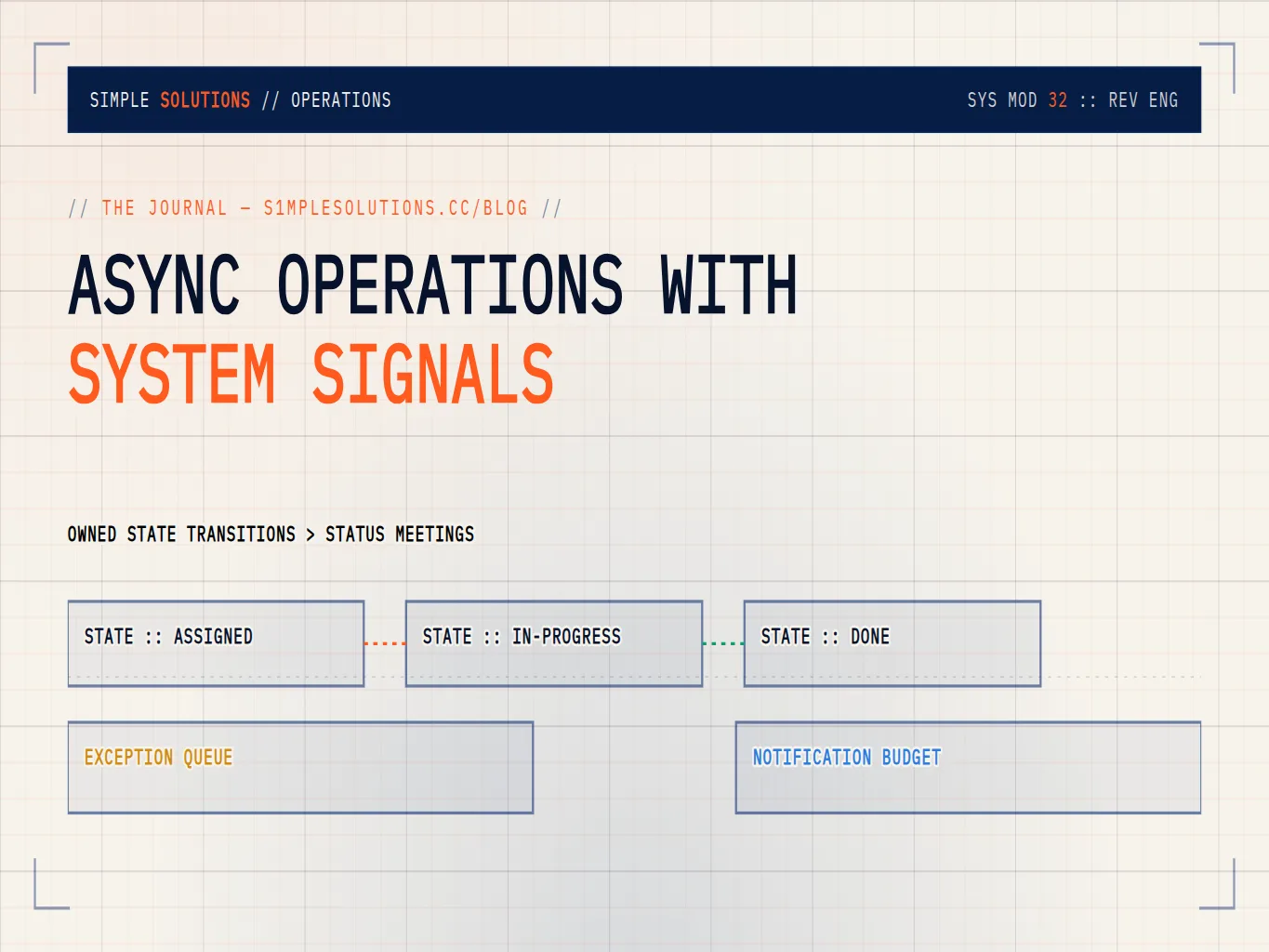
Customer work often pauses because someone else must respond. Set an explicit waiting state, responsible party, due date, and reminder policy. Keep internal ownership even when the customer is the blocker; someone must decide whether to follow up, revise scope, or escalate. Measure age in each waiting state so the team can distinguish healthy customer review from an abandoned handoff.
Carry context into launch and support
Launch should publish the final configuration, known limitations, monitoring links, rollback steps, and customer-facing operating notes. Support should receive the same record and a clear change boundary. Avoid a launch message that declares success without verifying the actual production path. The handoff is complete only when the next team can diagnose a normal issue without asking the implementation team to narrate the entire project.
Reconcile the workflow against reality
Sample completed onboardings and compare system states with customer outcomes. Look for tasks marked complete without evidence, repeated requests for the same input, unclear ownership, and launch dates that moved without a recorded decision. Track time to readiness, blocker age, rework, and post-launch corrections. Use those findings to simplify the contract and improve the gates. Automation should reduce coordination cost, not hide it behind more status fields.
Design for scope changes
Onboarding rarely stays identical to the sales brief. Represent scope changes as versioned decisions with approver, commercial effect, delivery effect, and new acceptance criteria. Do not overwrite the original scope or silently add tasks to an existing checklist. The customer should see what changed and what it does to readiness or launch timing. Internally, route a change back through the gate that protects the affected team: a tracking change needs a test, a new integration needs access and mapping, and a new service promise needs an owner. Keep the previous configuration available for rollback until the new version is verified. At launch, attach the final scope and known exclusions to the support record so future questions are answered from the same source. Measure rework caused by late changes separately from rework caused by incomplete intake. That distinction tells the team whether to improve qualification, customer education, or delivery planning. Scope governance does not make onboarding rigid; it makes the consequences of a change visible enough for the customer and delivery team to choose deliberately.
Measure handoff quality
Ask the receiving team whether the record contained enough evidence to begin work without a meeting. Track missing context, duplicate questions, launch rework, and time spent locating access or approvals. These measures reveal whether a handoff gate is protecting delivery or merely moving incomplete work between queues. Improve the record and gate together when the same clarification appears repeatedly.