An agency operating system is the shared structure that connects sales commitments, onboarding, delivery, approvals, reporting, billing signals, and renewal. It is not necessarily one application. It is a defined data model and set of operating rules that make work visible across the tools specialists already use.
Start with the client lifecycle
Map the lifecycle from qualified opportunity through scope, agreement, payment, onboarding, launch, recurring delivery, review, expansion, and renewal or offboarding. Define the proof required to move between phases. A signed agreement may initiate setup, but delivery should not begin until required access and inputs are complete. These gates protect margin and set clear expectations for both team and client.
Create one client and engagement model
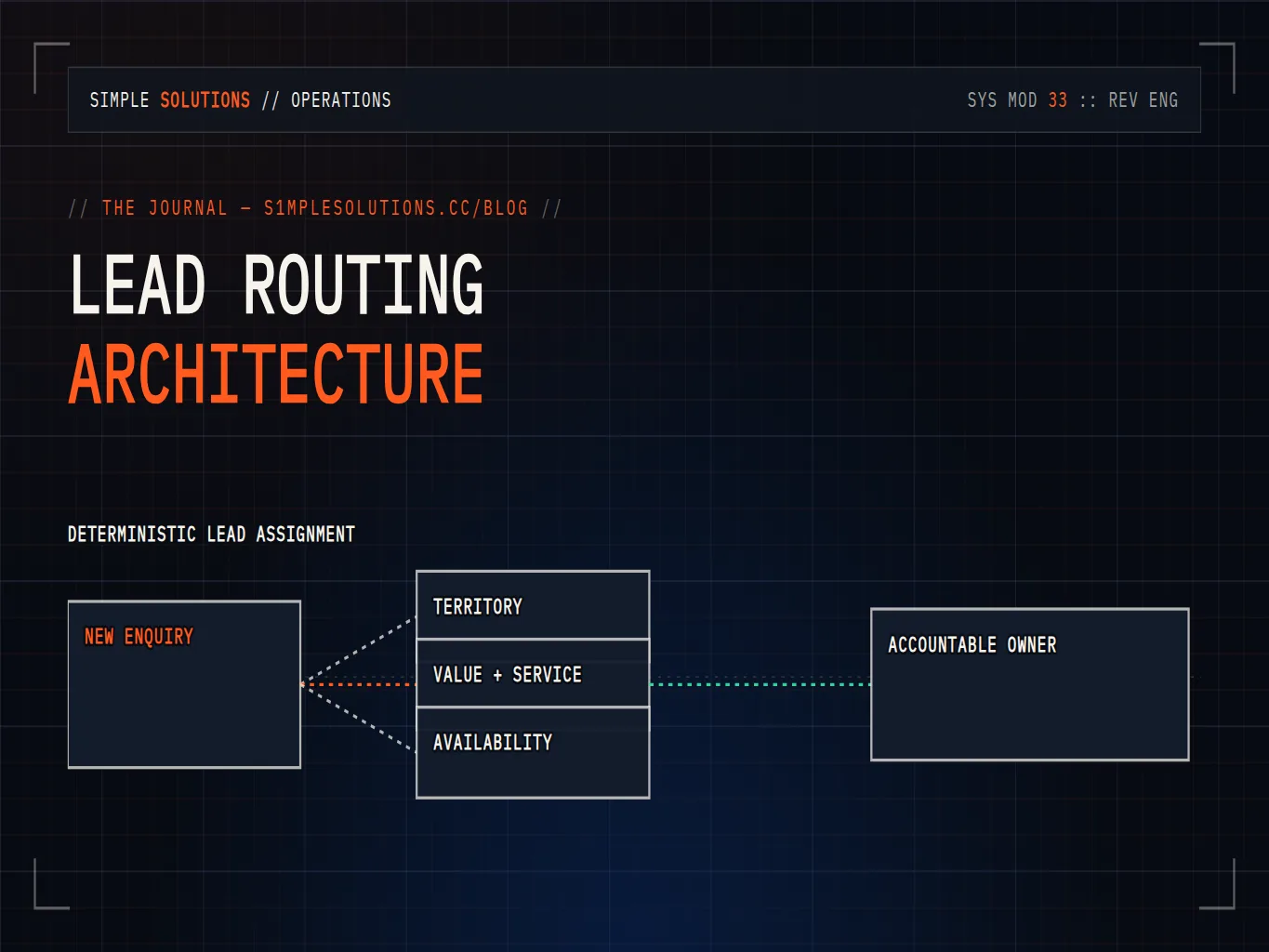
Maintain authoritative records for the client, contacts, engagement, services, owners, commercial terms, health, and key dates. Link project tasks, conversations, files, and reporting rather than duplicating the same facts across them. Decide which tool owns each entity and expose the minimum context each team needs. Stable identifiers are essential when the CRM, project system, billing, and reporting stack exchange events.
Productize the repeatable eighty percent
Turn common onboarding requests, project structures, quality checks, reporting schedules, and approval steps into reusable templates. Keep explicit extension points for client-specific requirements. Productization should remove avoidable variation, not erase expert judgement. If the team constantly deletes half the generated tasks, the template is serving an imaginary average client.
Standardize the handoffs and evidence. Leave expert decisions with experts.
Automate transitions and surface exceptions
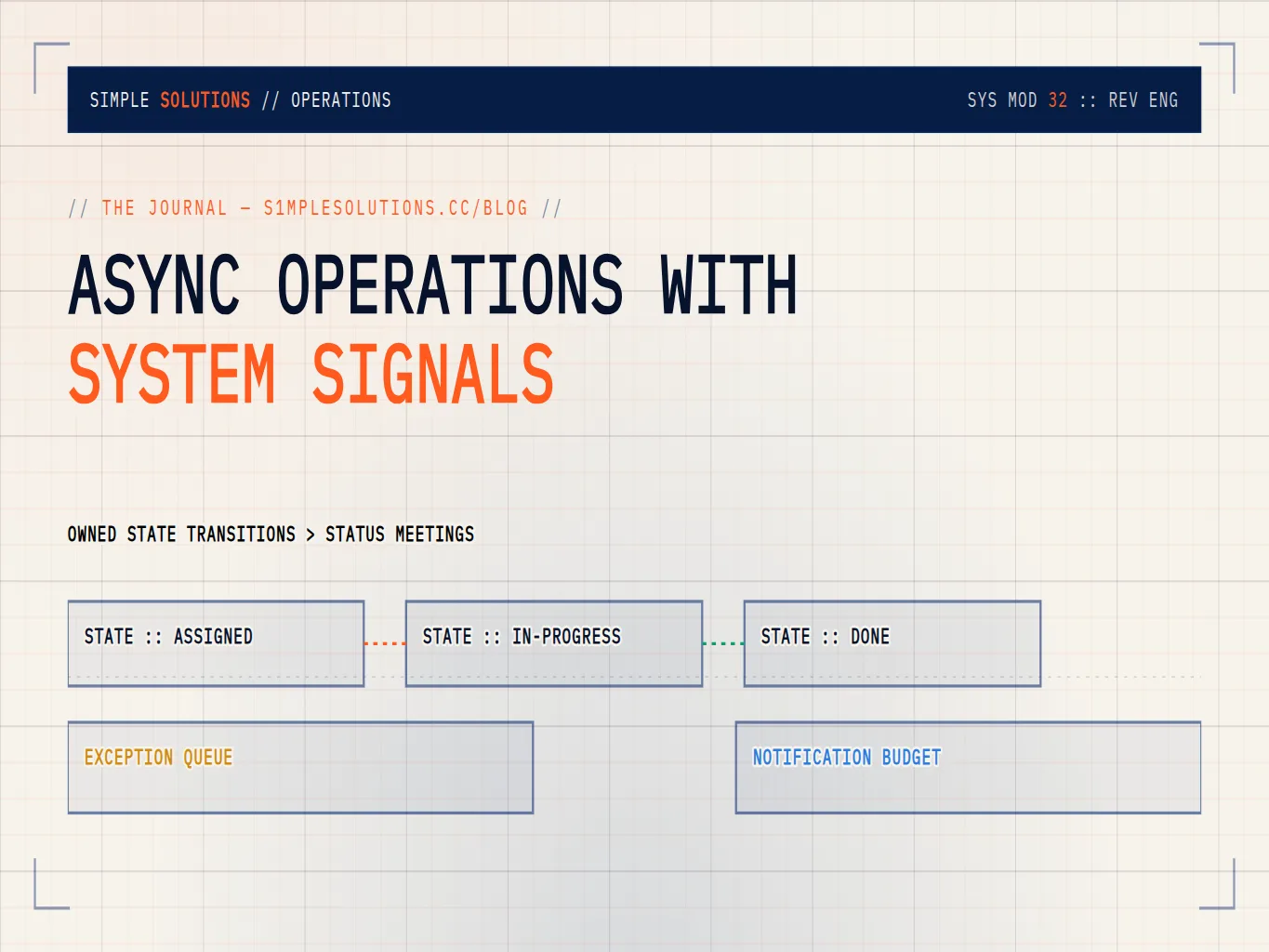
When a deal closes, create the engagement, assign accountable owners, request access, schedule kickoff, and generate the correct delivery template. When inputs are late, escalate before the launch date slips silently. When approval is blocked, record who owes the next action. Automation should maintain state and communication while placing unusual cases into a visible exception lane.
Build client visibility without internal noise
Give clients a clear view of milestones, required actions, decisions, approved deliverables, performance context, and upcoming priorities. Do not expose every internal task or discussion. Use structured approval and change-request records so scope decisions are traceable. A concise client view reduces status meetings while a detailed internal view preserves delivery control.
Manage health and renewal as operating processes
Define health from evidence such as goal progress, delivery consistency, engagement, unresolved issues, stakeholder change, and commercial risk. Trigger review before renewal pressure begins. Assemble the original objectives, delivered work, outcomes, open opportunities, and next plan into the account review. Track onboarding duration, time to first value, on-time delivery, rework, approval delay, margin, retention, and expansion by service line.